Tongass National Forest in Juneau, Alaska: America’s Largest Temperate Rainforest

by | Jun 10, 2026 | Trip Advisor

Located in Southeast Alaska near Juneau, the Tongass National Forest is the largest national forest in the United States and one of the most ecologically rich temperate rainforests in the world. Spanning more than 16 million acres, it covers a vast landscape of coastal mountains, deep fjords, ancient glaciers, and dense evergreen forests. For visitors and locals alike, Tongass represents the wild heart of Alaska’s natural environment.
A Vast and Untamed Wilderness

Tongass National Forest stretches across much of Southeast Alaska, surrounding communities like Juneau, Ketchikan, and Sitka. Despite its size, much of the forest remains roadless and undeveloped, preserving its raw and untouched character.

The landscape is defined by towering spruce and hemlock trees, rugged coastlines, and dramatic mountain ranges. Glaciers carve through valleys, while rivers and streams flow into the Pacific Ocean, creating a complex and interconnected ecosystem.

Because of its scale and diversity, Tongass is often described as one of the most important ecological regions in North America. It plays a critical role in carbon storage, climate regulation, and wildlife habitat preservation.

Rainforest Climate and Natural Environment

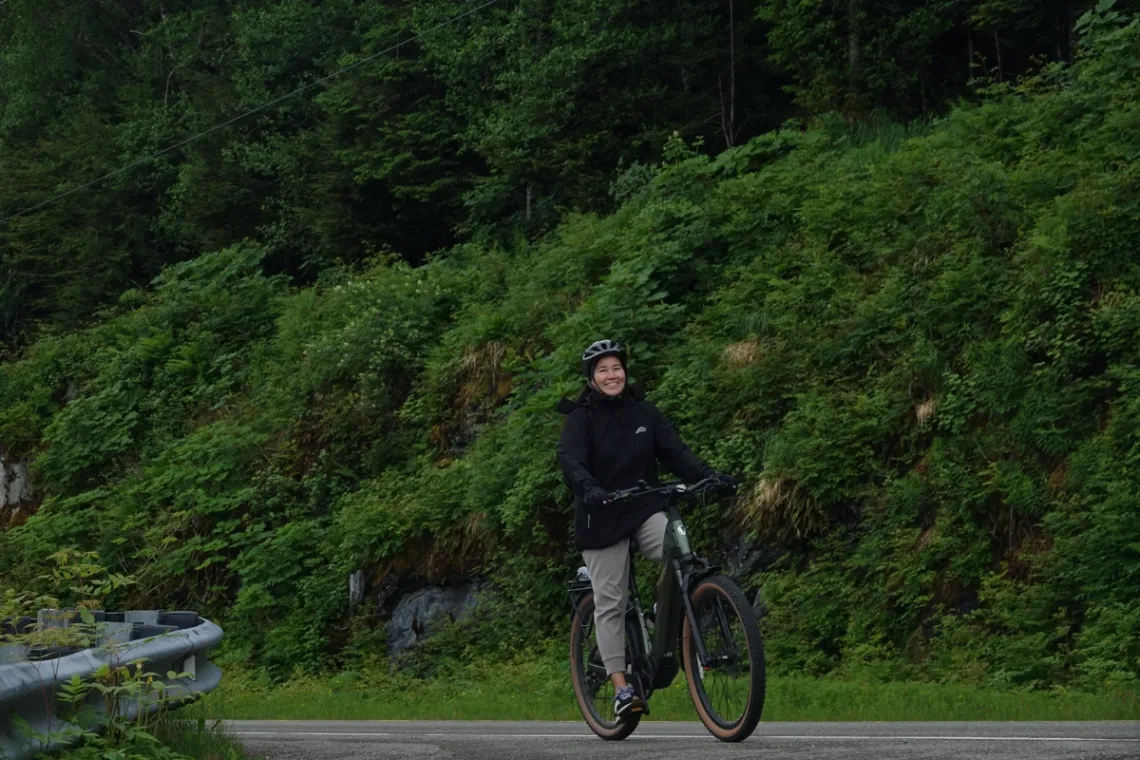
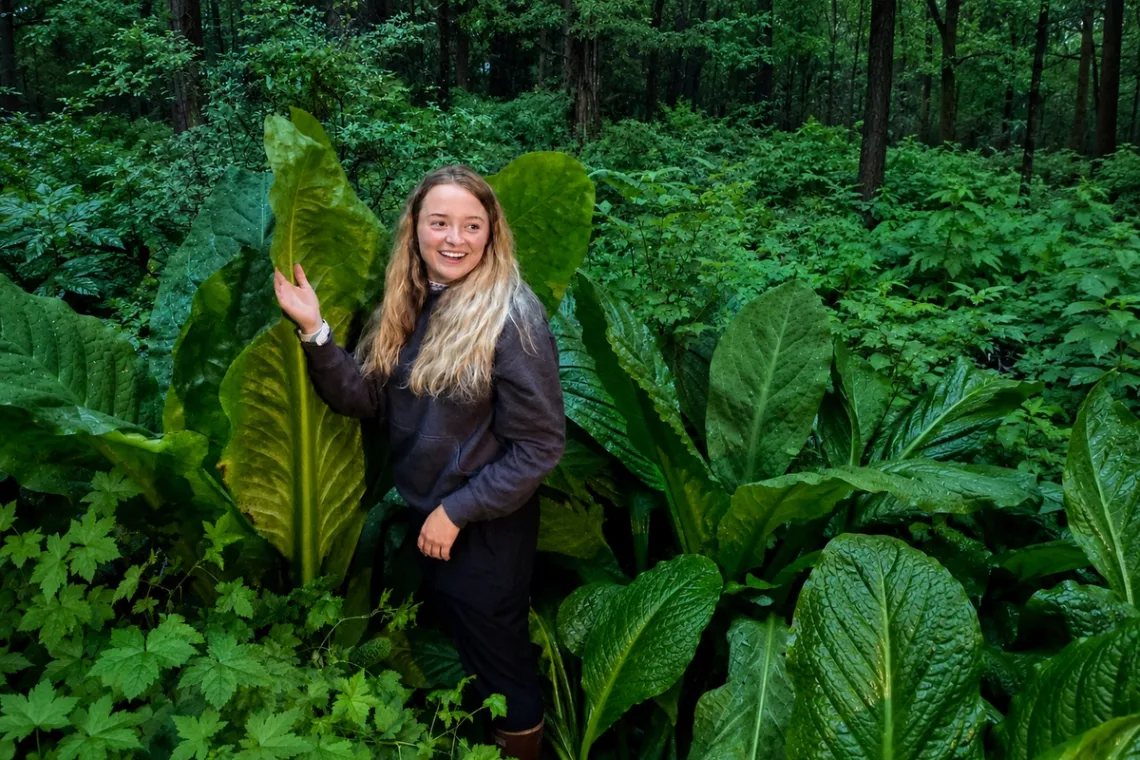
Unlike tropical rainforests, Tongass is a temperate rainforest, meaning it receives high levels of rainfall throughout the year while maintaining cool temperatures. This climate supports lush vegetation, including moss-covered trees, ferns, and dense understory growth.

Rain is a defining feature of the region, contributing to the vibrant green landscapes that make Southeast Alaska so visually striking. Misty conditions are common, especially in coastal areas, creating an atmospheric and almost mystical environment.

The forest’s combination of ocean influence and mountainous terrain results in rapid weather changes, making each visit a unique experience.
Wildlife of the Tongass

Tongass National Forest is home to an extraordinary variety of wildlife. One of its most iconic residents is the brown bear, which relies on salmon-rich rivers for survival. Black bears are also common throughout the forest.

The region supports one of the healthiest bald eagle populations in the world, often seen nesting in tall trees near the shoreline. Other bird species include owls, seabirds, and migratory songbirds.

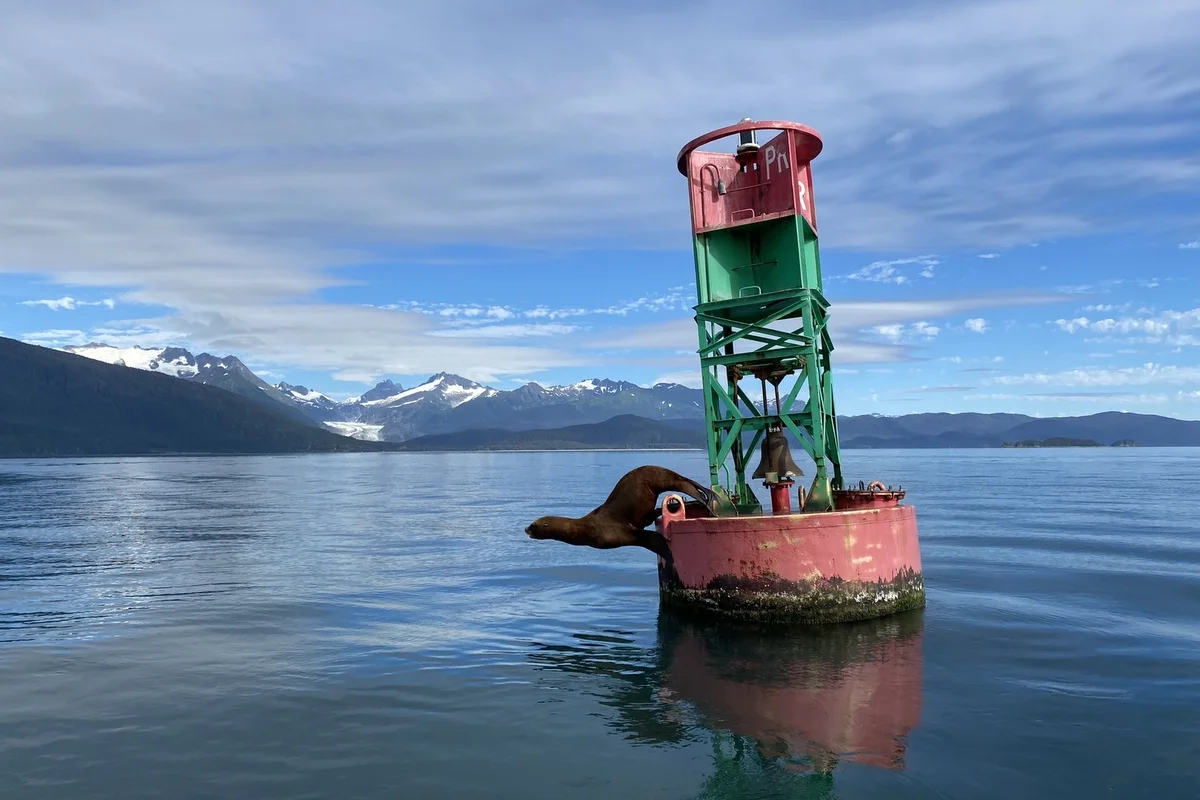
Marine life is equally abundant along the forest’s coastal edges. Salmon, humpback whales, sea lions, and porpoises all depend on the interconnected forest and ocean ecosystems.

Deer, wolves, and mountain goats can also be found in various parts of the forest, especially in more remote areas. This rich biodiversity makes Tongass one of the most important wildlife habitats in the United States.

Glaciers, Fjords, and Coastal Landscapes

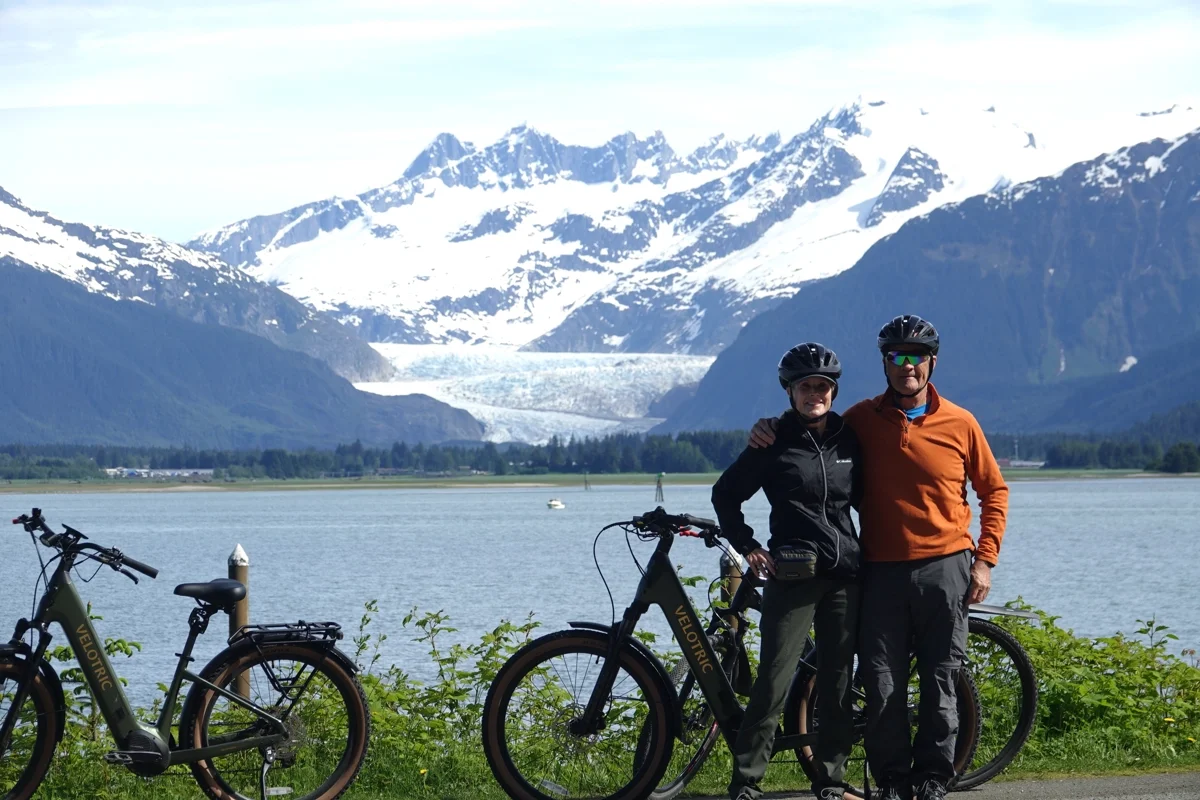
One of the most striking features of Tongass National Forest is its dramatic geography. Glaciers flow from the Juneau Icefield and other mountain ranges, carving deep valleys and fjords over thousands of years.

These glacial systems feed into coastal waters, creating stunning locations such as Tracy Arm, Endicott Arm, and other ice-filled fjords. Steep granite cliffs rise directly from the ocean, often lined with waterfalls fed by melting snow and rainfall.

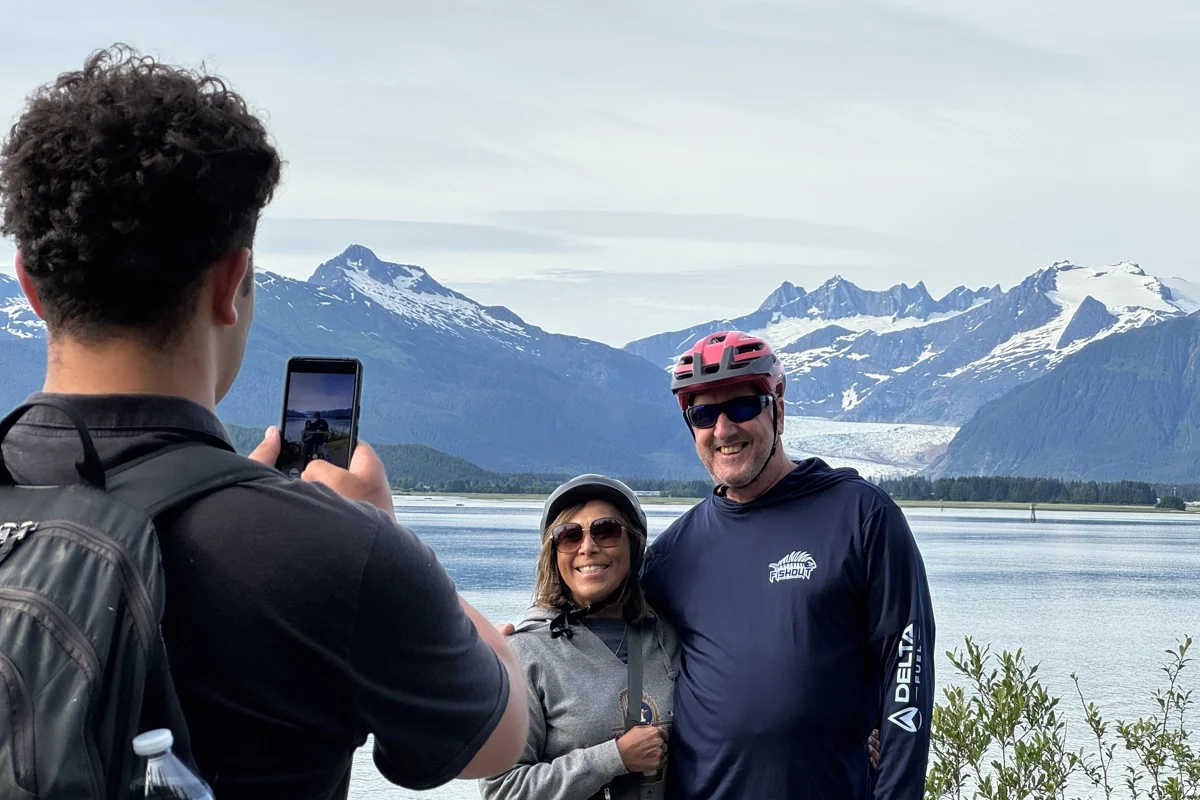
This combination of ice, water, and forest creates some of the most photogenic landscapes in Alaska, attracting travelers, photographers, and researchers from around the world.
Outdoor Recreation and Adventure

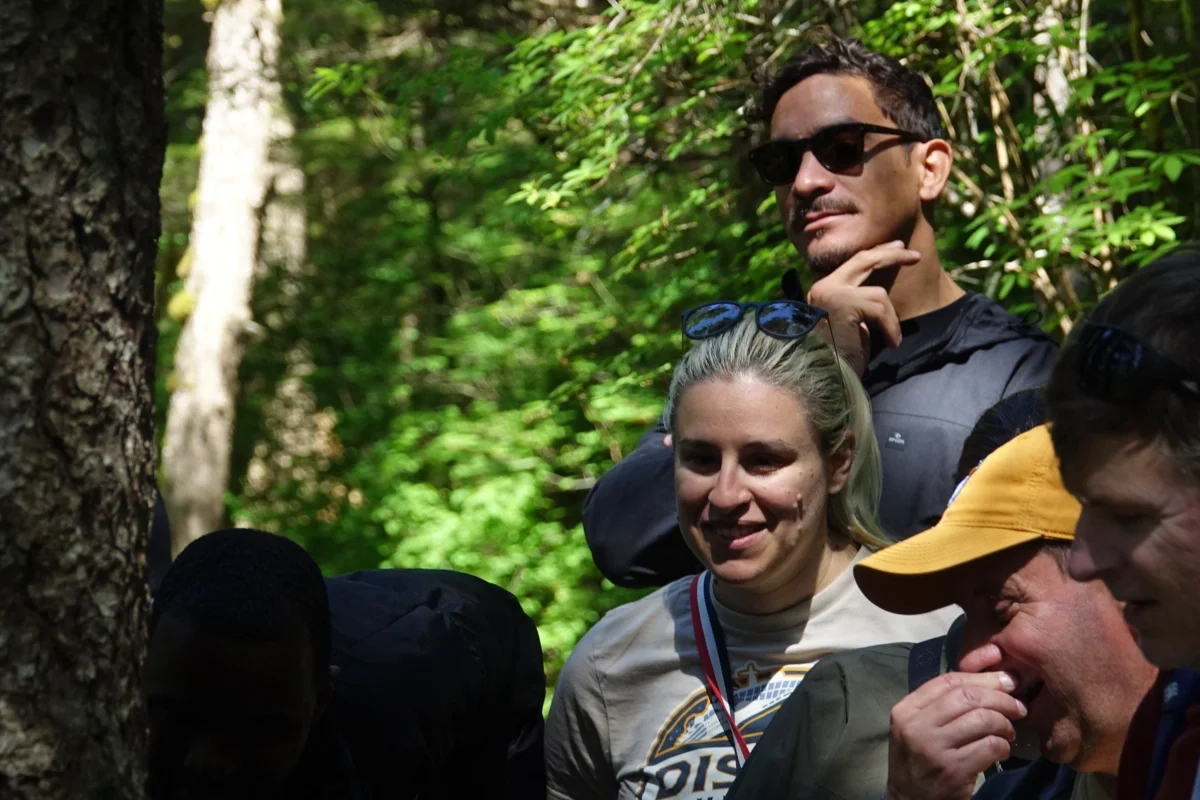
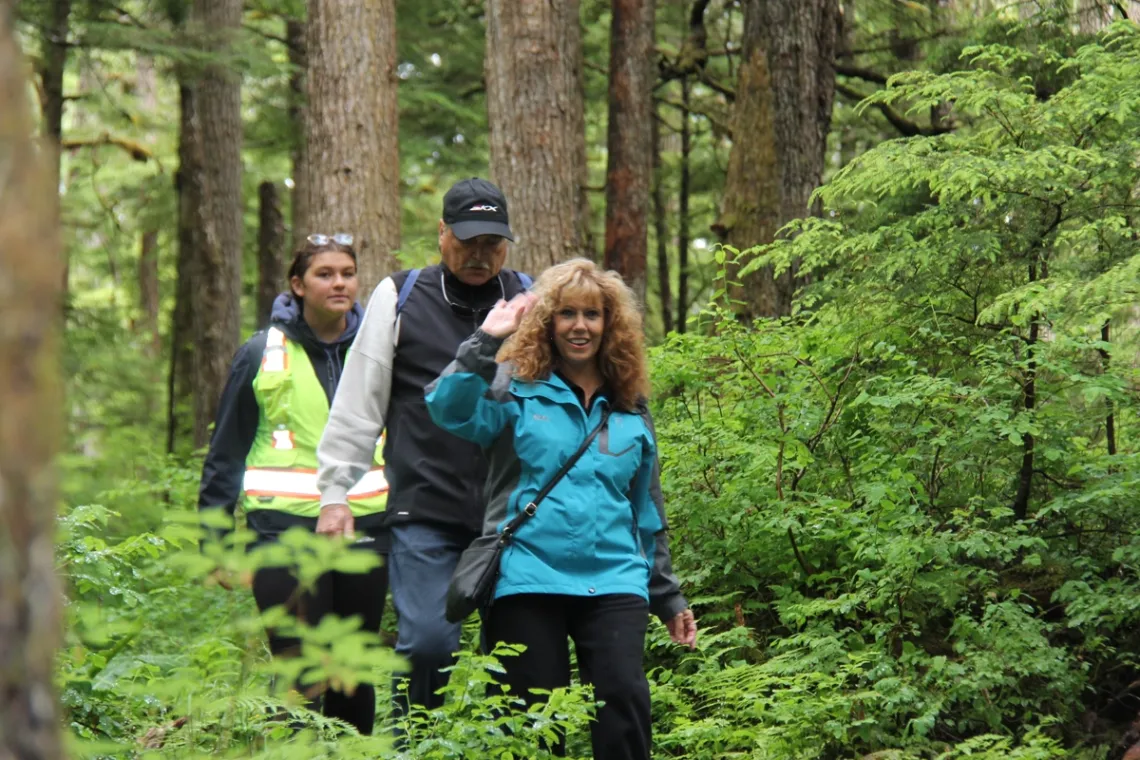
Tongass National Forest offers endless opportunities for outdoor recreation. Hiking is one of the most popular activities, with trails ranging from short forest walks to challenging backcountry routes.

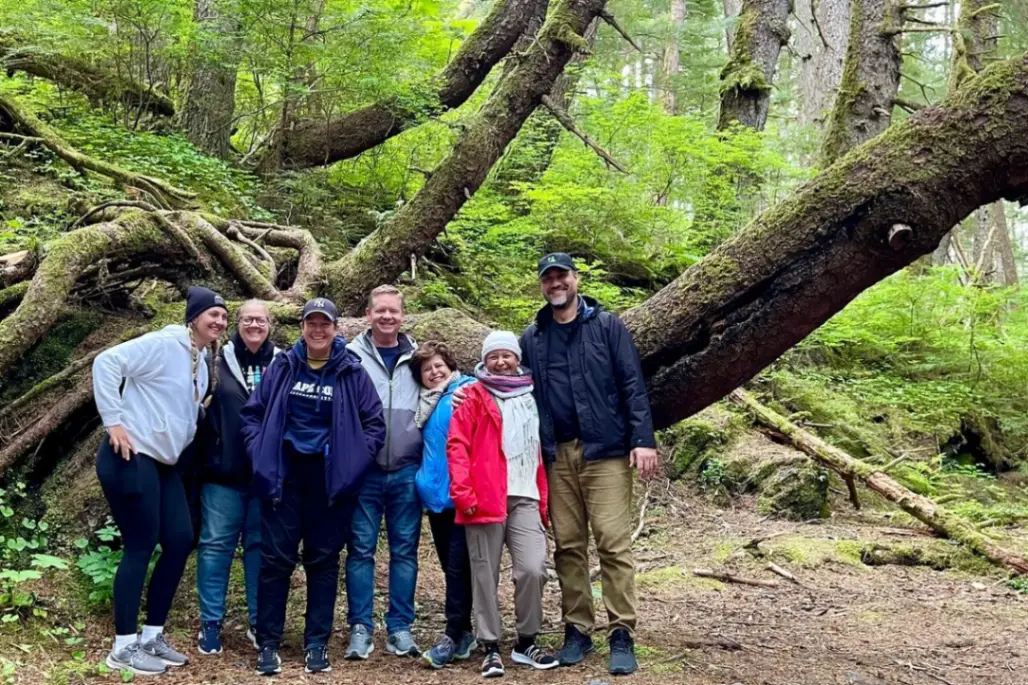
In areas near Juneau, visitors can explore trails that lead to alpine lakes, glacier viewpoints, and dense old-growth forest. Kayaking and canoeing are also popular ways to experience the forest’s coastal waterways, allowing for close encounters with wildlife and secluded scenery.

Fishing is another major activity, particularly for salmon and halibut. The forest’s rivers and coastal waters support some of the most productive fisheries in the region.

Camping is available in designated areas, offering visitors a chance to fully immerse themselves in the natural environment. However, due to the remote and wild nature of the forest, proper preparation is essential.
Outdoor Recreation and Adventure

Cultural and Historical Significance

For thousands of years, Tongass National Forest has been home to Indigenous communities, including the Tlingit, Haida, and Tsimshian peoples. These cultures maintain deep connections to the land, water, and wildlife.

Traditional practices such as fishing, carving, and storytelling remain important aspects of cultural identity. Totem poles, clan houses, and heritage sites throughout Southeast Alaska reflect this rich cultural history.

Visitors are encouraged to respect these lands and learn about the Indigenous heritage that continues to shape the region today.

Conservation and Environmental Importance

Tongass National Forest plays a crucial role in global environmental health. As one of the largest intact temperate rainforests in the world, it acts as a significant carbon sink, helping to regulate climate change.

Conservation efforts focus on protecting old-growth forests, preserving salmon habitats, and maintaining biodiversity. Sustainable tourism and responsible recreation are key to ensuring the forest remains healthy for future generations.

Balancing economic development with environmental protection continues to be an important discussion in the region.
Best Time to Visit Tongass National Forest

The best time to explore Tongass is during the summer months, from May through September. During this period, temperatures are milder, wildlife is more active, and daylight hours are long.

Spring and early fall offer fewer crowds and beautiful seasonal changes in vegetation. Winter is quieter and more challenging, with limited access to many areas due to snow and rain.

Regardless of the season, visitors should be prepared for wet conditions, as rainfall is common throughout the year.

Why Tongass National Forest Is a Must-See Near Juneau

Tongass National Forest is one of the most extraordinary natural landscapes in the world. Its combination of rainforest, glaciers, wildlife, and coastal wilderness creates an environment that is both powerful and serene.

For visitors to Juneau, it offers countless opportunities for adventure, exploration, and connection with nature. Whether hiking through ancient forests, kayaking along glacial fjords, or simply experiencing the quiet beauty of the wilderness, Tongass delivers an unforgettable Alaskan experience.

It stands not only as a destination but as a living ecosystem one that reflects the wild, enduring spirit of Alaska.

Next: Mount Roberts Tramway
Go to homepage

Related Topics Travelers Often Ask About

Are Segways safe for seniors?

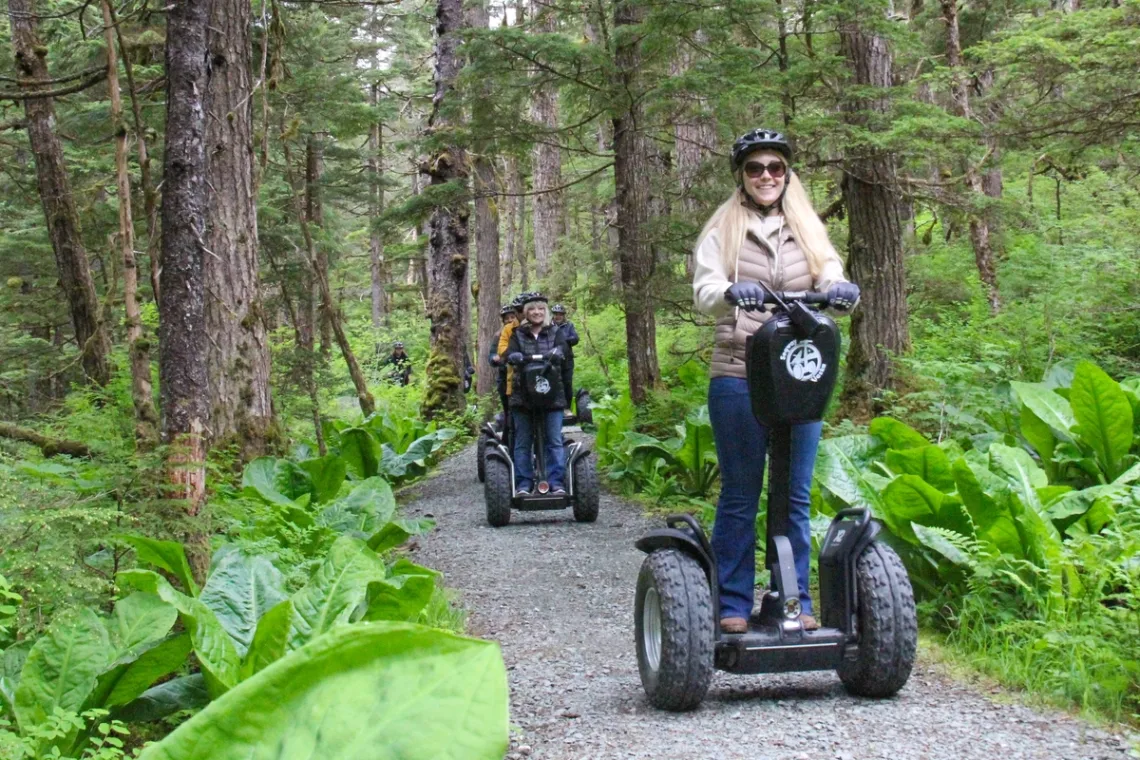
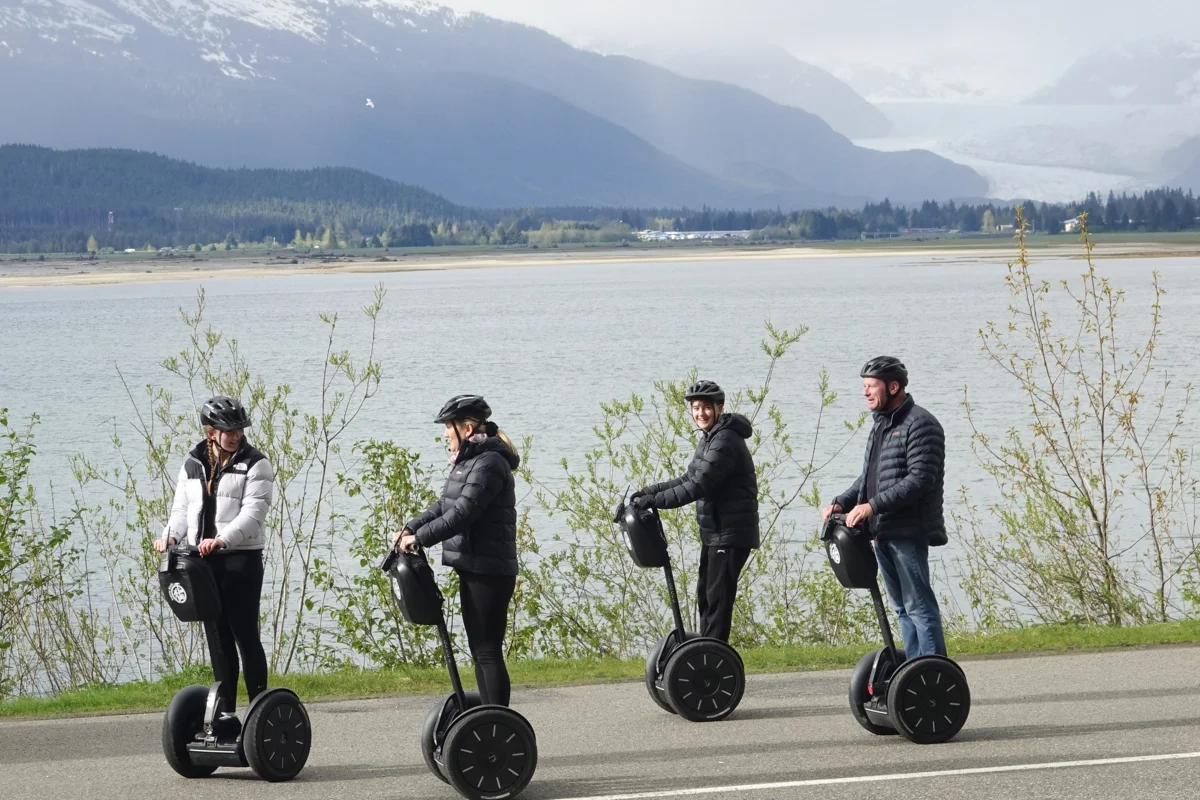
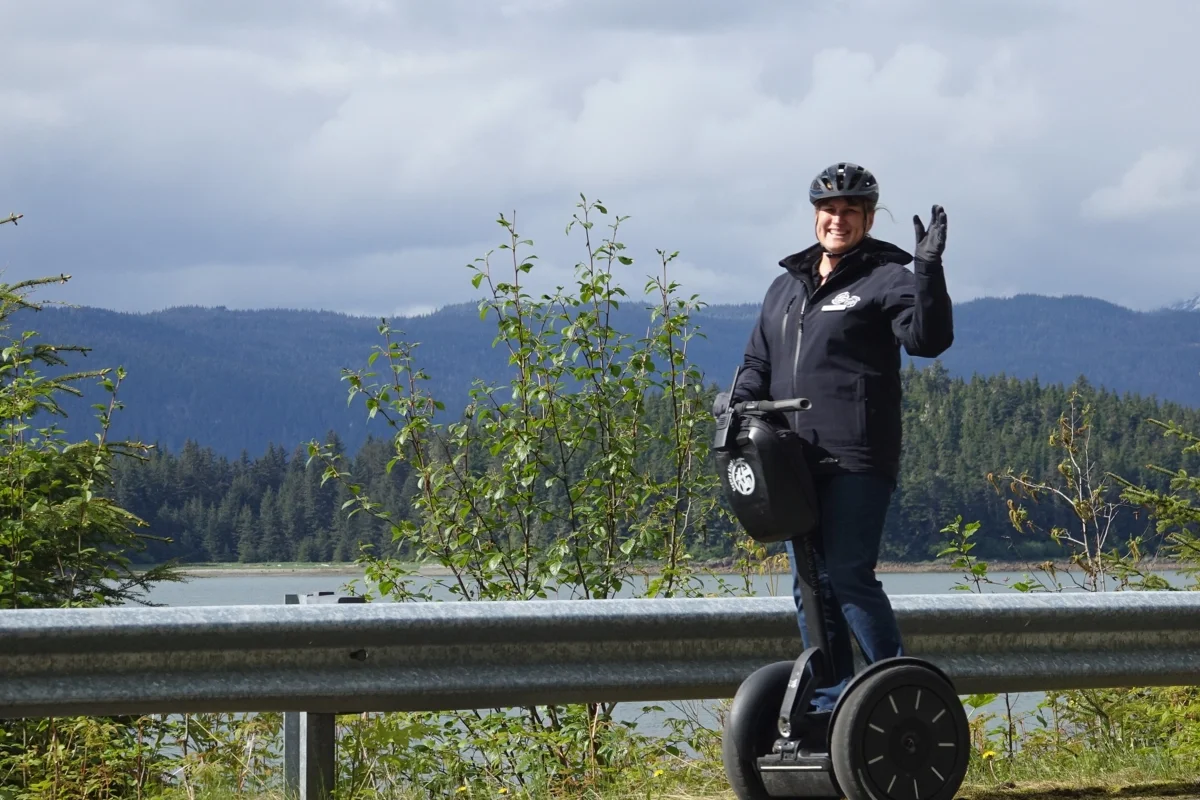
Many of our most enthusiastic riders are seniors! Provided you have a normal level of balance and the ability to stand for the duration of the tour (about 2-3 hours), it is a fantastic, low-impact way to see the “Quiet Side” of Juneau without physical strain.

Physical Requirement: To ride safely, you must be able to step up approximately 8 inches (the height of a standard stair step) unassisted.

What safety gear is provided on Segway tours?

We take a “safety-first” approach to our equipment. Every guest receives:

  • Helmets: High-quality, safety-certified helmets are mandatory.
  • Reflective Gear: For enhanced visibility in the misty rainforest.
  • “Liquid Sunshine” Ponchos: To keep you dry and focused on the trail, not the weather.

DIY Exploring vs. Guided Tours with iRide Alaska

While you could try to navigate the Tongass on your own, a guided tour offers a massive safety net.

The Guided Advantage

  • Emergency Preparedness: Every guide carries a comprehensive first-aid kit and a two-way radio for instant communication with our base.
  • Trail Knowledge: We know which paths are clear and which might be slippery after a morning rain.
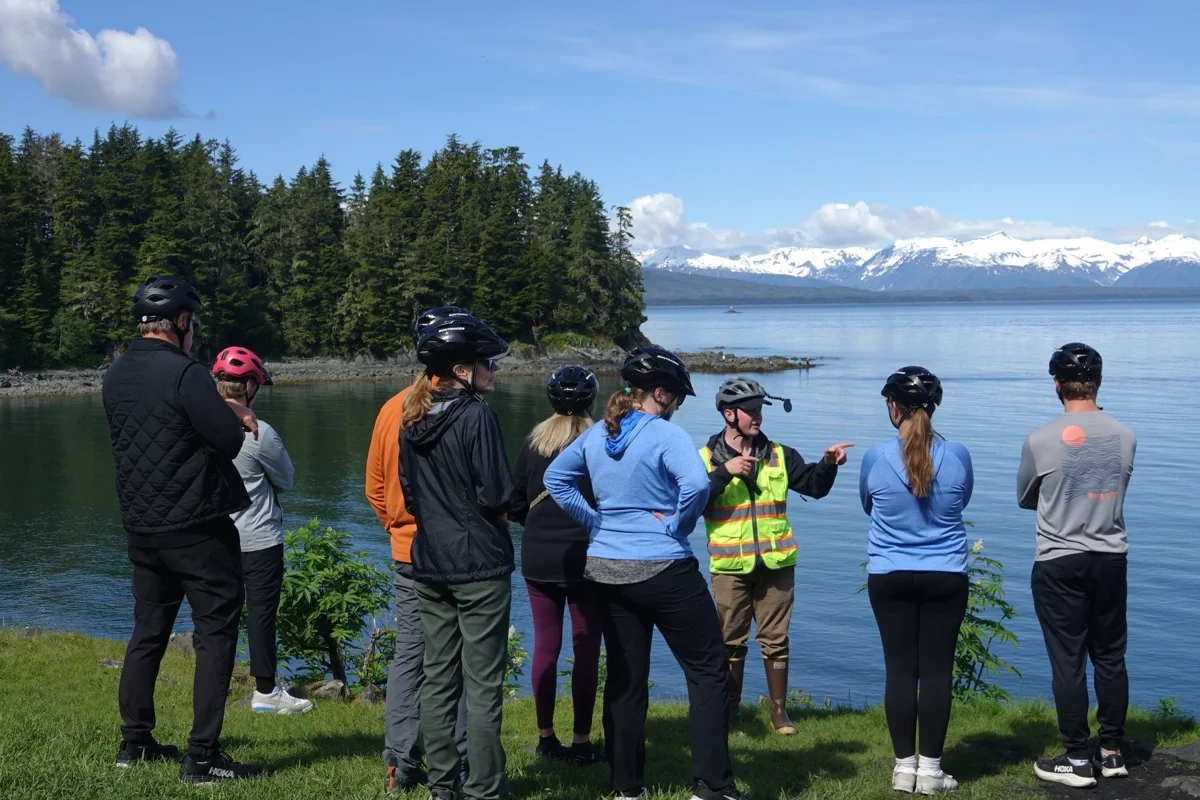
  • Wildlife Management: Our guides are trained in bear awareness, ensuring you get the photo from a safe, respectful distance.

Safety and Comfort for All Riders

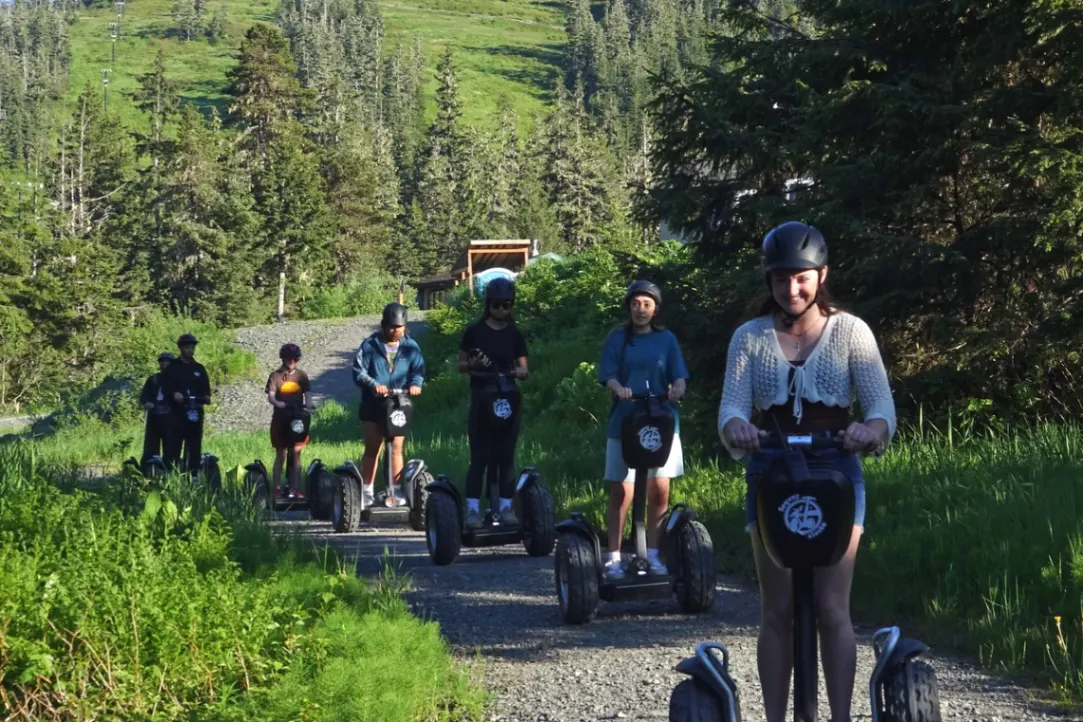
We have established clear Segway safety requirements to ensure everyone has a positive experience:

  • Age/Weight Limits: Guests must be at least 10 years old (we provide specialized 1-on-1 training for younger riders) and weigh between 100 and 260 pounds.
  • Health Restrictions: For safety reasons, we cannot accommodate pregnant guests or those with severe mobility/balance issues.
  • Communication: If you use a hearing aid or have a stable medical condition, you are welcome! Just let your guide know so they can provide the best support.

Tips for Making the Most of Your Adventure

  1. Footwear is Key: Wear flat, closed-toe shoes (sneakers or hiking boots). No flip-flops or heels!
  2. Listen to the “Stick-Shake”: Your Segway has a built-in speed limiter. If you go too fast, the handle will gently vibrate. That’s the machine’s way of saying, “Slow down and enjoy the view!”
  3. Eyes on the Trail: Keep your head up—it actually helps your balance more than staring at your feet!

Layer Up: Juneau weather changes fast. Wear moisture-wicking layers so you stay comfortable regardless of the “liquid sunshine.”

Conclusion:

So, are Segway tours safe? In the hands of the right team, they are one of the safest and most exhilarating ways to explore the Last Frontier. By combining cutting-edge technology with rigorous Segway tour safety measures and our No Missed Ship Guarantee, iRide Alaska ensures that you can focus on the majesty of the rainforest with total peace of mind.

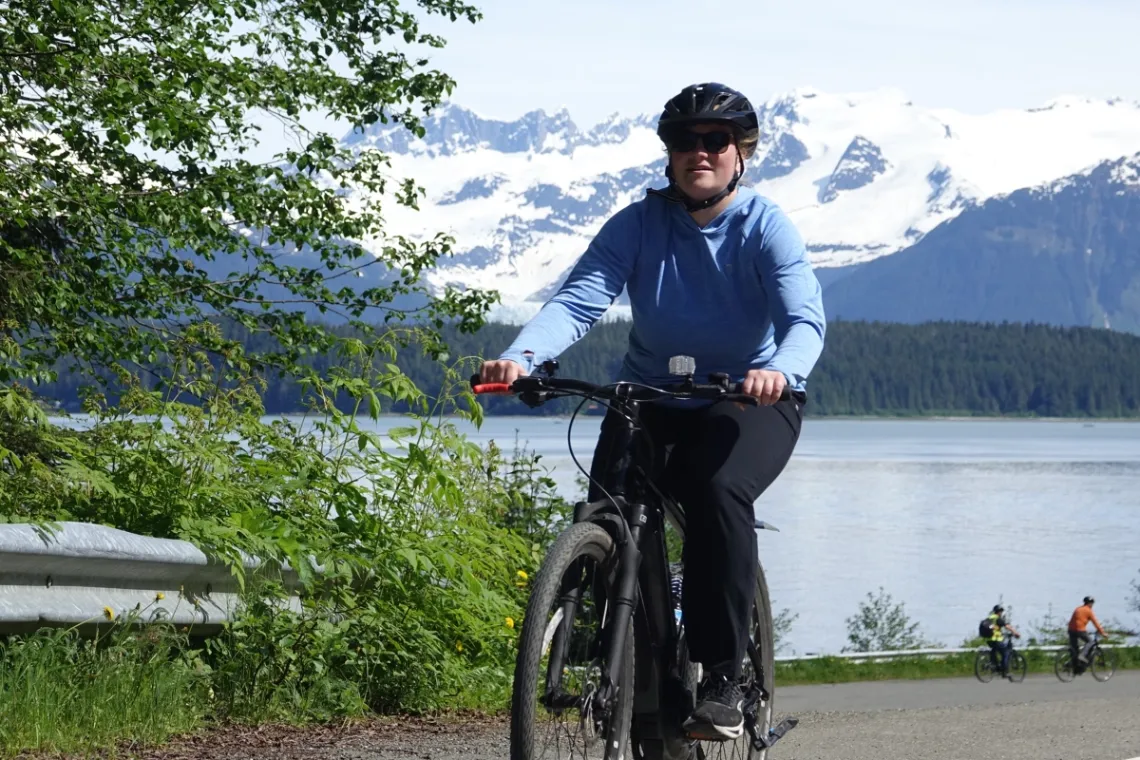
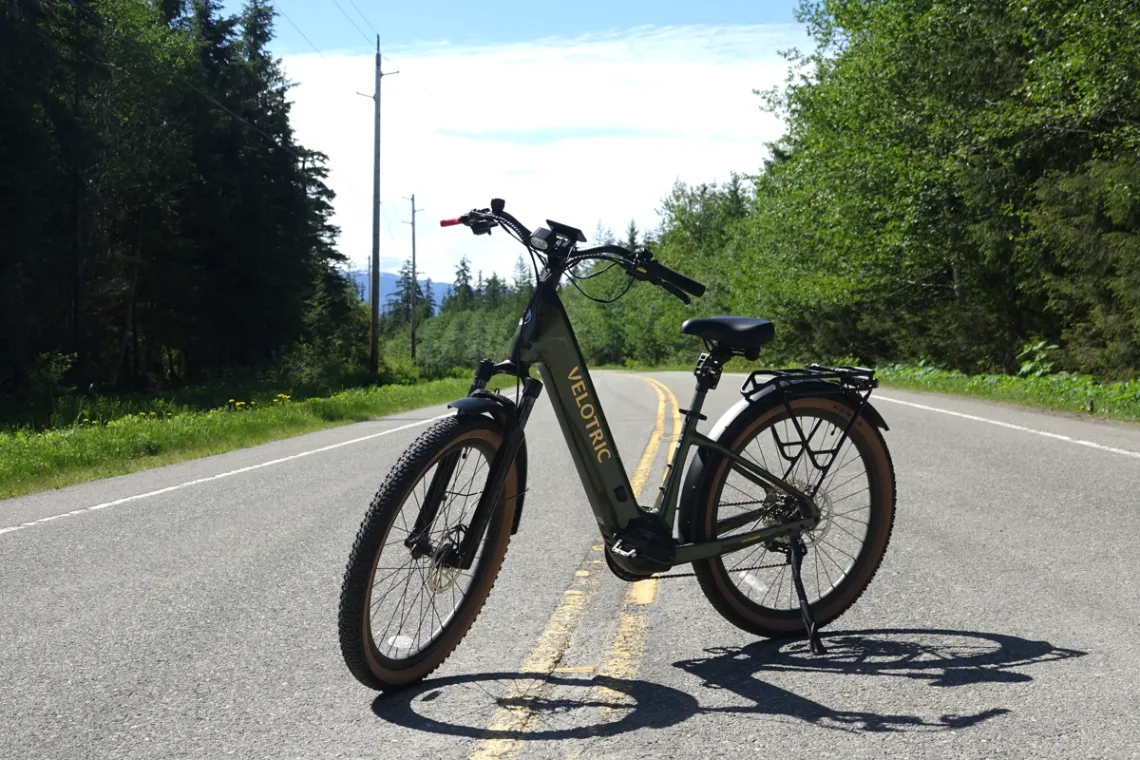
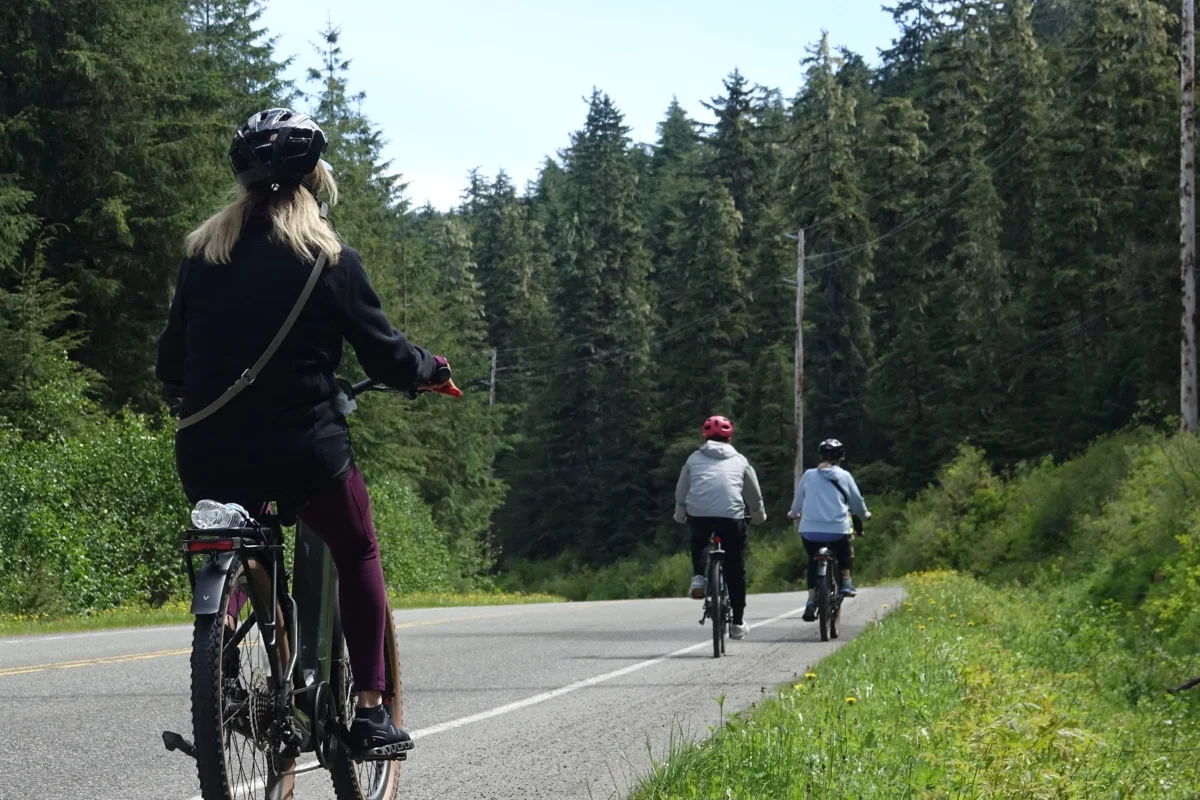
If you want a fun and memorable way to explore Juneau, book a Segway or e-bike adventure with iRide Alaska today.

Frequently Asked Questions:

Are Segway tours safe?

Yes, Segway tours are extremely safe when conducted by a professional operator like iRide Alaska. We provide high-tech, self-balancing equipment and 1-on-1 safety training for every guest to ensure they are comfortable before heading out.

Are Segways safe for seniors?

Absolutely! Many seniors enjoy our tours as they are low-impact and require much less physical exertion than hiking. As long as you can stand for the duration of the tour and step up about 8 inches onto the platform, you’re ready to glide.

Can I join a Segway tour if I have limited mobility?

Because Segways are standing vehicles that require balance, they are not suitable for those with significant mobility issues or those who use a wheelchair. However, if you can stand comfortably and walk a short distance, you may find the Segway quite accessible.

Can I join a Segway tour with a medical condition?

It depends on the condition. We recommend that guests with heart, back, or neck problems consult their doctor first. For your safety, iRide Alaska requires all riders to be in good general health and able to maintain their balance.

Can I participate in a Segway tour with a hearing aid?

Yes! Guests with hearing aids participate in our tours regularly. We just ask that you inform your guide so they can ensure you hear all safety instructions and tour narrations clearly via our radio headsets.

Can pregnant guests join Segway tours?

No. For the safety of both the mother and the baby, we do not permit pregnant guests on our Segway or e-bike tours.

Can visually impaired guests join Segway tours?

Safe operation of a Segway requires the ability to see and react to changes in terrain and obstacles. Therefore, a normal level of vision is required to participate in our guided tours.

Are emergency contacts required for Segway tours?

Yes, we collect emergency contact information as part of our standard safety protocols. This is a common practice for all professional Alaska adventure tours.

Are helmets provided for Segway tours in Alaska?

Yes, iRide Alaska provides safety-certified helmets for all guests. Wearing a helmet is a mandatory requirement for participation in any of our tours.

Are there safety briefings before Segway tours?

Yes, every single tour begins with a detailed safety briefing covering the mechanics of the machine, trail etiquette, and local wildlife safety.

Do Segway tour guides carry first-aid kits?

Yes, every iRide Alaska guide is equipped with a comprehensive first-aid kit. Our guides are also trained in basic first-aid procedures.

Do Segway tour guides carry radios?

Yes, guides carry two-way radios for communication with our base office and other guides. Many of our tours also use guest headsets so you can hear your guide’s safety tips even while gliding.

Do you need a helmet to ride a Segway?

Yes, a helmet is a non-negotiable safety requirement at iRide Alaska. We provide sanitized, high-quality helmets in various sizes to fit every rider.

Is safety training included before Segway tours?

Yes, 1-on-1 hands-on training is included in every tour. We won’t start the adventure until you demonstrate that you can safely start, stop, and turn your Segway.

Is there a risk of motion sickness on Segway tours?

It is very rare. Because your body is the "engine" that controls the movement, most riders find the experience very grounded and natural, unlike being in a moving car or boat.

What safety measures are included in Segway tours?

Our measures include professional-grade equipment maintenance, small-group ratios, expert safety training, and guides who are trained in both first-aid and bear awareness

Recent Posts

Walking from Cruise Ship in Juneau: Distances & Port Tips

Walking from Cruise Ship in Juneau: Distances & Port Tips

Welcome to Juneau, the only mainland U.S. capital city you can’t reach by car! If you are arriving by sea, you are already part of a historic tradition of travelers pulling into the Gastineau Channel to witness the majesty of the Last Frontier. As you peer over the...

Ultimate Juneau Cruise Itinerary: Best Shore Excursions 2026

Ultimate Juneau Cruise Itinerary: Best Shore Excursions 2026

The Gateway to the Wilderness Welcome to Juneau, the only mainland U.S. capital city you can’t reach by road! If you’re arriving by cruise ship, you’re about to experience a port of call that perfectly blends wild Alaskan wilderness with the charm of a gold-rush era...

Worst Time to Visit Juneau on a Cruise? Weather & Crowds

Worst Time to Visit Juneau on a Cruise? Weather & Crowds

When Is the Worst Time to Visit Juneau on an Alaskan Cruise? Crowds, Weather & Docking Facts Explained So, you’re looking at that shiny 2026 cruise brochure and wondering: When is the absolute best—and arguably the "worst"—time to pull into Juneau? It’s a fair...